# Who Needs the Best Eye Specialist in Lahore for Vision Correction 2027
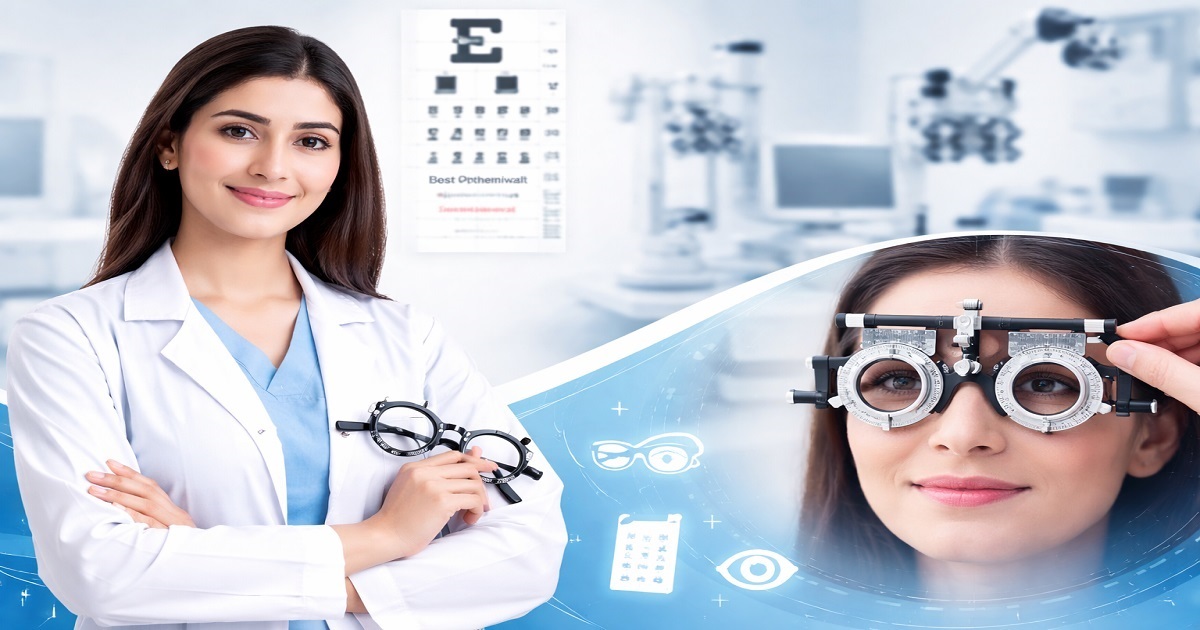
Clear vision plays an important role in work, education, communication, driving, and everyday life. People experiencing blurred vision, frequent changes in eyesight, eye strain, or difficulty seeing distant or nearby objects may need professional guidance. Consulting the ***[Best Eye Specialist in Lahore](https://www.zafarlasereyeclinic.com/services/best-eye-specialist-in-lahore/)*** can help identify the underlying cause of vision problems and determine which treatment or correction approach may be suitable.
The need for specialized eye care can arise at different stages of life. Children may require assessment for developing vision problems, adults may experience refractive errors or age-related changes, while older individuals can develop conditions such as cataracts or glaucoma. The Best Eye Specialist in Lahore can evaluate the eyes through detailed examinations and recommend appropriate options based on the patient's individual needs.
## Understanding Vision Correction
Vision correction refers to methods used to improve visual clarity when the eyes are unable to focus light properly. Common refractive errors include myopia, hyperopia, astigmatism, and presbyopia. These conditions can make everyday activities more difficult, particularly when they remain untreated.
Modern eye care provides several approaches for managing vision problems. Depending on the condition, correction may involve prescription glasses, contact lenses, medication, surgical procedures, or laser-based treatments. A comprehensive examination is important before choosing any particular method.
## People With Blurred Vision May Need Specialist Care
Persistent blurred vision is one of the most common reasons to seek professional eye care. Blurring can occur because of refractive errors, dry eyes, eye diseases, changes in the lens, or other underlying conditions. Temporary blurring may have a simple cause, but recurring or progressive changes should not be ignored.
An eye specialist can assess visual acuity and examine the structures of the eye to determine why vision has changed. Early evaluation can help identify problems before they interfere significantly with daily activities.
## People With Nearsightedness May Benefit From Vision Assessment
Myopia, commonly known as nearsightedness, causes distant objects to appear unclear while close objects can remain easier to see. It can affect children, teenagers, and adults and may change over time.
People with myopia often depend on glasses or contact lenses for clear distance vision. Adults whose prescription has remained stable may also discuss laser vision correction with an eye specialist. However, suitability depends on factors such as corneal health, prescription stability, eye health, age, and overall examination findings.
## People With Farsightedness Need Proper Evaluation
Hyperopia, or farsightedness, occurs when the eye has difficulty focusing on nearby objects. Some people may experience headaches, eye fatigue, or difficulty maintaining clear vision during reading and other close-up tasks.
A specialist can determine the extent of hyperopia and assess whether corrective lenses or another treatment approach is appropriate. Regular assessments are particularly useful when symptoms change or begin affecting work and study.
## People With Astigmatism May Require Specialized Correction
Astigmatism can cause blurred or distorted vision at different distances. It occurs when the cornea or lens has an irregular shape that affects how light focuses on the retina.
People with astigmatism may experience eye strain, headaches, difficulty seeing clearly at night, or distorted images. Depending on the severity and individual eye characteristics, correction may involve glasses, contact lenses, or selected refractive procedures.
## Adults Considering Laser Vision Correction
Many adults become interested in laser vision correction because they want to reduce their dependence on glasses or contact lenses. Procedures such as LASIK and other forms of refractive surgery can reshape the cornea to improve the way light focuses inside the eye.
However, laser vision correction is not automatically appropriate for everyone. A detailed examination is necessary to assess corneal thickness, eye health, refractive stability, tear-film condition, and other factors. An eye specialist can explain whether a patient appears suitable and what limitations or risks should be considered.
## People Experiencing Frequent Prescription Changes
A prescription that changes frequently may require closer evaluation. While refractive errors can naturally change, significant or unexpected changes in vision may sometimes be associated with other eye conditions.
Rather than repeatedly replacing glasses without understanding the reason for the change, patients can benefit from a comprehensive eye examination. The findings can help determine whether the change is simply refractive or requires further investigation.
## People With Persistent Eye Strain
Digital screens have become part of everyday life in Pakistan, with students, office workers, professionals, and business owners spending long periods using computers and smartphones. Extended screen use can contribute to symptoms such as tired eyes, dryness, temporary blurred vision, and difficulty maintaining focus.
Eye strain does not always indicate a serious condition, but persistent symptoms deserve attention. An eye specialist can check vision, assess the ocular surface, and determine whether an updated prescription or other care is required.
## People Who Have Difficulty Seeing at Night
Night-time vision difficulties can affect driving and other activities performed in low-light conditions. Some individuals notice glare, halos around lights, reduced contrast, or difficulty adjusting between different lighting environments.
## People With Age-Related Vision Changes
Vision naturally changes with age. Presbyopia commonly develops during adulthood and makes it harder to focus on nearby objects. People may begin holding books or smartphones farther away or require more light for reading.
## People With Cataract-Related Vision Problems
A cataract develops when the natural lens of the eye becomes cloudy. It can cause gradual blurring, glare, faded colors, and difficulty seeing clearly in low light.
## People at Risk of Glaucoma
Glaucoma can damage the optic nerve and may progress without obvious symptoms during its early stages. Because vision loss from glaucoma can be permanent, routine examinations are important, particularly for people with recognized risk factors.
## Children With Vision Problems
Children may not always recognize or communicate that their vision is unclear. Difficulties at school, frequent squinting, sitting too close to screens, headaches, or difficulty reading can sometimes indicate a vision problem.
## People With a Family History of Eye Disease
Family history can be relevant when assessing the risk of certain eye conditions. People with close relatives who have experienced glaucoma, retinal disorders, or other hereditary eye problems may benefit from discussing their family history during an eye examination.
## People Who Wear Contact Lenses
Contact lenses provide an alternative to glasses, but they require proper fitting and responsible care. Poor hygiene, extended wear, or unsuitable lenses can contribute to eye irritation and other complications.
## Why A Comprehensive Eye Examination Matters
Vision correction should begin with an accurate diagnosis rather than a treatment preference. A comprehensive eye examination can provide information about visual acuity, refractive error, corneal health, eye pressure, the lens, retina, and other important structures.
## Choosing Specialist Care in Lahore
Lahore has a large population with diverse eye-care needs, making access to professional vision services important. When looking for an eye specialist, patients should consider qualifications, clinical experience, diagnostic facilities, communication, and the availability of appropriate follow-up care.
## Preparing for a Vision Correction Consultation
Before an eye appointment, patients can make the consultation more useful by noting changes in their vision and bringing their current glasses or contact lens information. Previous eye examination records can also help the specialist compare changes over time.
People considering laser vision correction should openly discuss their expectations and any history of eye problems. The specialist can then explain the examination findings, available options, potential limitations, recovery considerations, and follow-up requirements.
## Vision Correction Should Be Personalized
Two people with similar prescriptions may not necessarily be suitable for the same treatment. Corneal measurements, tear-film health, age, prescription stability, lifestyle, and other clinical factors can influence the recommended approach.
For this reason, patients should avoid choosing a vision correction procedure based only on advertisements, online claims, or another person's experience. A professional assessment provides a more reliable basis for understanding individual treatment options.
## The Importance of Regular Eye Care
Vision correction is not only about improving eyesight after a problem develops. Regular eye examinations can also help monitor changes over time and identify certain conditions before noticeable symptoms appear.
The **Best Eye Specialist in Lahore** for an individual patient should be determined through appropriate qualifications, examination, diagnosis, communication, and personalized treatment planning rather than a one-size-fits-all approach. A comprehensive eye examination is the first step toward understanding the cause of a vision problem and identifying suitable correction options. With timely **[professional care](https://hedgedoc.nixc.us/)** and regular monitoring, patients can make informed decisions about their visual health in 2027 and beyond.
## FAQs
### Who should visit an eye specialist for vision correction?
Anyone experiencing persistent changes in vision, blurred eyesight, eye strain, or difficulty seeing clearly should consider a professional eye examination.
### Can everyone have laser vision correction?
No. Suitability depends on individual factors such as eye health, corneal characteristics, prescription stability, and examination results.
### How often should adults have an eye examination?
The appropriate frequency depends on age, eye health, risk factors, symptoms, and professional recommendations.
### Can children need vision correction?
Yes. Children can develop refractive errors and other vision problems that may require professional assessment and appropriate correction.
### Is blurred vision always caused by needing glasses?
No. Blurred vision can have several causes, so persistent or unexplained changes should be evaluated by an eye-care professional.